English

Sep 07, 2026
In the modern plastics manufacturing industry, choosing the right polyethylene material is critical for product quality, production efficiency, and long-term cost control. Among the most widely used materials in blown film extrusion and industrial plastic manufacturing are HDPE extrusions and LDPE extrusion processes.
Although both belong to the polyethylene family, they differ significantly in density, flexibility, strength, transparency, processing behavior, and end-use applications. Understanding these differences helps manufacturers optimize production lines, improve product performance, and reduce waste.
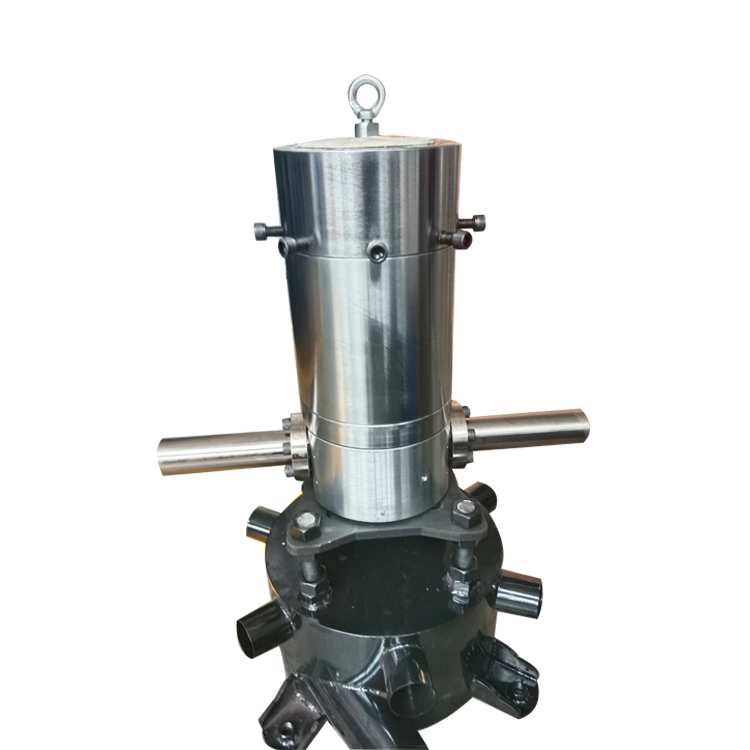
For manufacturers and extrusion companies such as Bojing, selecting the correct extrusion die head and processing solution is essential for maintaining stable output and achieving superior film quality.
HDPE extrusions refer to the process of melting and shaping HDPE material through extrusion equipment and die heads to produce films, pipes, containers, and industrial products.
In blown film extrusion, HDPE is commonly used when manufacturers require:
Higher strength-to-weight ratio
Better puncture resistance
Improved stiffness
Greater environmental stress crack resistance
HDPE extrusion generally requires higher processing temperatures and more precise control due to the material’s narrower processing window.
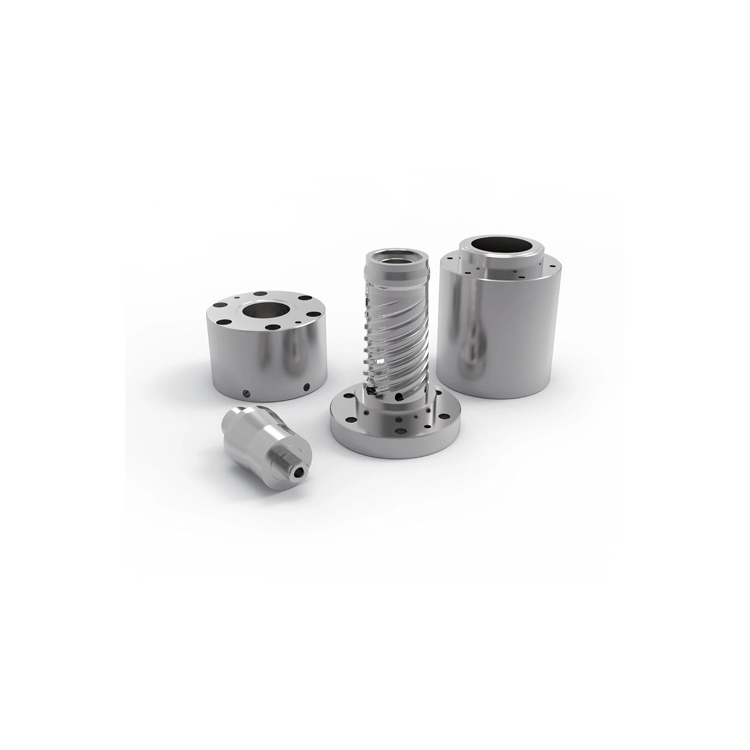
LDPE extrusion is widely used in flexible film manufacturing and packaging production. In blown film systems, LDPE provides excellent bubble stability and easier processing behavior.
Manufacturers often choose LDPE extrusion when they need:
Flexible packaging films
Heat-sealable materials
Soft consumer products
Clear plastic films
LDPE processes smoothly in many blown film extrusion systems, making it a preferred material for packaging applications.
The table below highlights the major differences between HDPE extrusions and LDPE extrusion processes.
| Property | HDPE Extrusions | LDPE Extrusion |
|---|---|---|
| Density | Higher | Lower |
| Flexibility | Lower | Higher |
| Rigidity | Excellent | Moderate |
| Transparency | Lower clarity | Better clarity |
| Chemical Resistance | Excellent | Good |
| Tensile Strength | Higher | Lower |
| Impact Resistance | High | Moderate |
| Heat Sealing | Moderate | Excellent |
| Moisture Resistance | Excellent | Excellent |
| Processing Difficulty | More demanding | Easier |
| Common Use | Pipes, containers, industrial products | Packaging films, bags, flexible products |
HDPE performs exceptionally well in applications requiring durability and stiffness. Films produced through HDPE blown film extrusion generally offer:
Higher strength
Better load-bearing capacity
Improved puncture resistance
Reduced material consumption due to strength efficiency
However, HDPE films often produce more noise and may appear less transparent than LDPE films.
LDPE is commonly preferred for flexible film applications because it delivers:
Better softness
Improved transparency
Excellent sealing performance
Better flexibility
LDPE films are widely used in retail packaging and consumer products where appearance and flexibility are important.
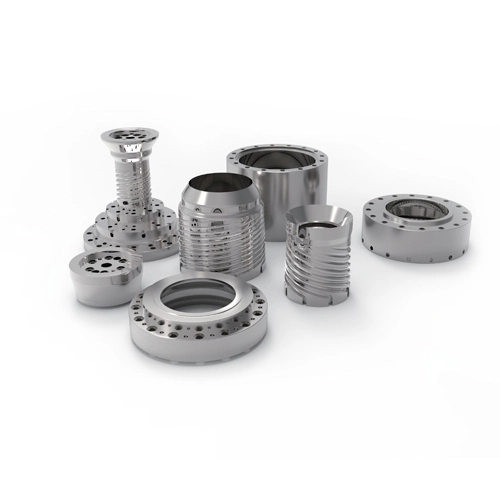
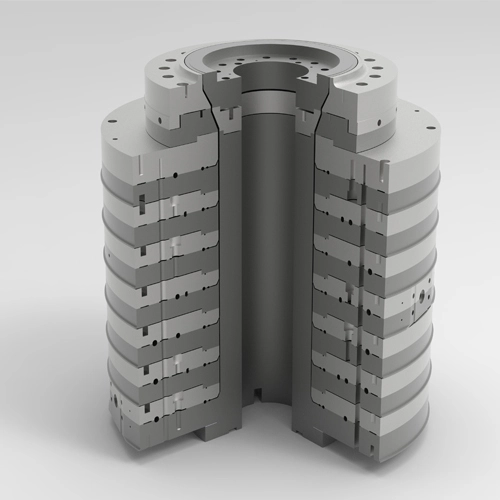
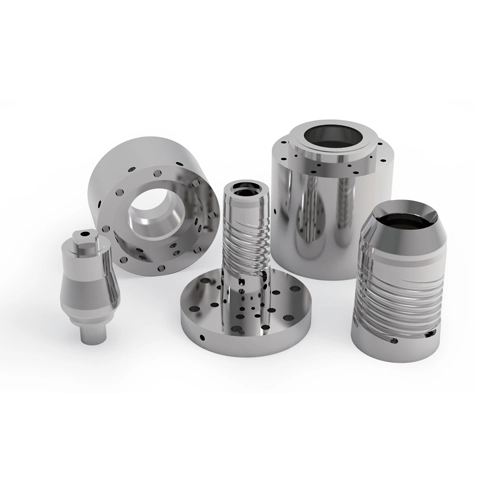
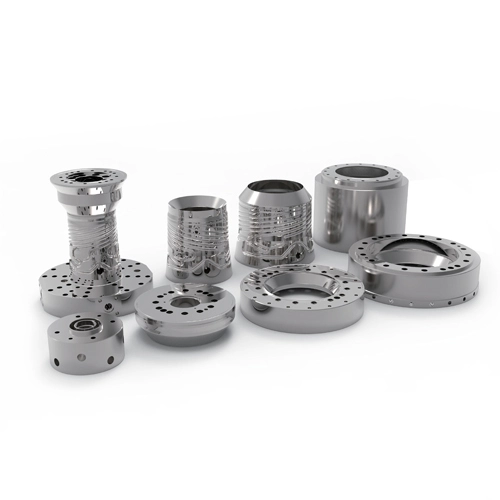
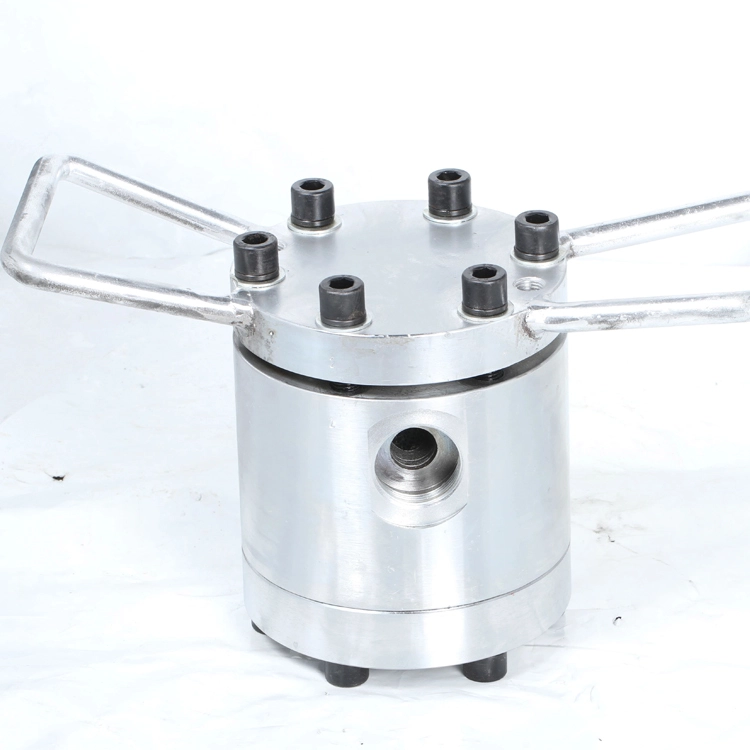
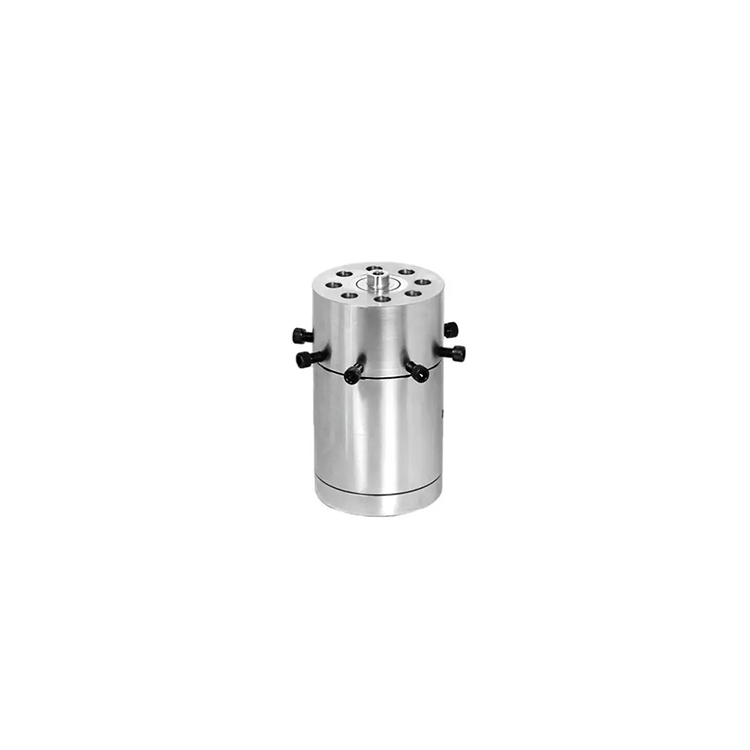
For many extrusion companies, including Bojing, selecting the correct blown film extrusion die head design helps optimize processing performance for both HDPE and LDPE materials.
According to HDPE extrusion die head applications, HDPE is widely used in the following industries:
HDPE extrusions are commonly used to produce:
Milk jugs
Detergent bottles
Liquid storage containers
Its chemical resistance and durability make it ideal for liquid packaging.
HDPE extrusions are widely used for:
Water supply systems
Sewage pipelines
Gas distribution
Industrial piping systems
These applications benefit from HDPE’s corrosion resistance and long service life.
HDPE pipes and tubing are frequently used in irrigation systems because they offer:
Flexibility
Chemical resistance
Weather durability
Many children’s toys use HDPE because of its:
Safety
Toughness
Impact resistance
HDPE extrusions are used to manufacture:
Cutting boards
Storage bins
Laundry baskets
Outdoor furniture products such as chairs and tables often use HDPE due to its weather resistance and durability.
LDPE extrusion is commonly used in flexible and lightweight applications.
LDPE films are widely used for packaging:
Food products
Beverages
Consumer goods
These films provide:
Excellent flexibility
Strong puncture resistance
Reliable heat sealing performance
LDPE is commonly used to manufacture:
Shopping bags
Trash bags
Bubble wrap
Squeeze bottles
LDPE films are used in agriculture for:
Greenhouse covers
Mulch films
Silage bags
LDPE applications in construction include:
Pipe liners
Waterproofing membranes
Insulation materials
LDPE is used as insulation material for electrical wires and cables.
LDPE is also used in recreational products including toys and games due to its softness and flexibility.
Yes. Many blown film extrusion systems use multilayer co-extrusion technology to combine HDPE and LDPE properties.
LDPE is generally easier to process because it has better melt flow characteristics and a wider processing window.
HDPE is recyclable and widely reused in industrial and consumer applications.
Industries include packaging, piping, irrigation, furniture, household products, and industrial manufacturing.
Both HDPE extrusions and LDPE extrusion are widely used in blown film extrusion and plastic manufacturing.
HDPE is known for its strength, durability, and chemical resistance, making it suitable for industrial products and structural applications. LDPE offers better flexibility, softness, and sealing performance, making it ideal for packaging films and consumer products.
Experienced extrusion companies like Bojing help manufacturers improve production efficiency and film quality through advanced die head technology and optimized extrusion solutions.
Understanding the differences between HDPE and LDPE helps businesses choose the right material for better performance and cost efficiency.
 English