English

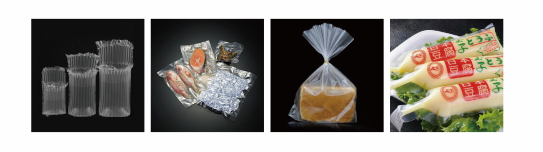
Film extrusion is a versatile and widely used process in the plastics industry, enabling the production of a variety of plastic films for numerous industrial and commercial applications. Through advanced blown film extrusion technology, manufacturers can produce films with excellent strength, flexibility, barrier performance, and durability.
These films are essential across industries, including packaging, agriculture, construction, medical, logistics, consumer goods, and industrial manufacturing.
Modern film extrusion systems can process materials such as HDPE, LDPE, LLDPE, PP, EVA, and multilayer co-extrusion materials to meet different performance requirements.
Flexible packaging is one of the largest applications of blown film extrusion. Packaging films provide excellent protection, sealing performance, moisture resistance, and printability for various products.
Common applications include:
Used for:
Food packaging
Beverage packaging
Pharmaceutical packaging
Daily consumer goods
Industrial packaging
Flexible packaging films help extend product shelf life while reducing packaging weight and transportation costs.
Shrink films are widely used for bundling and protecting products. After heat application, the film tightly wraps around the product, providing:
Product protection
Tamper resistance
Better transportation stability
Improved shelf appearance
Typical applications include bottled drinks, electronics, cosmetics, and retail packaging.
Stretch films are commonly used in logistics and warehousing for pallet wrapping and cargo stabilization.
Advantages include:
Strong load stability
Dust and moisture protection
Reduced transportation damage
Improved packaging efficiency
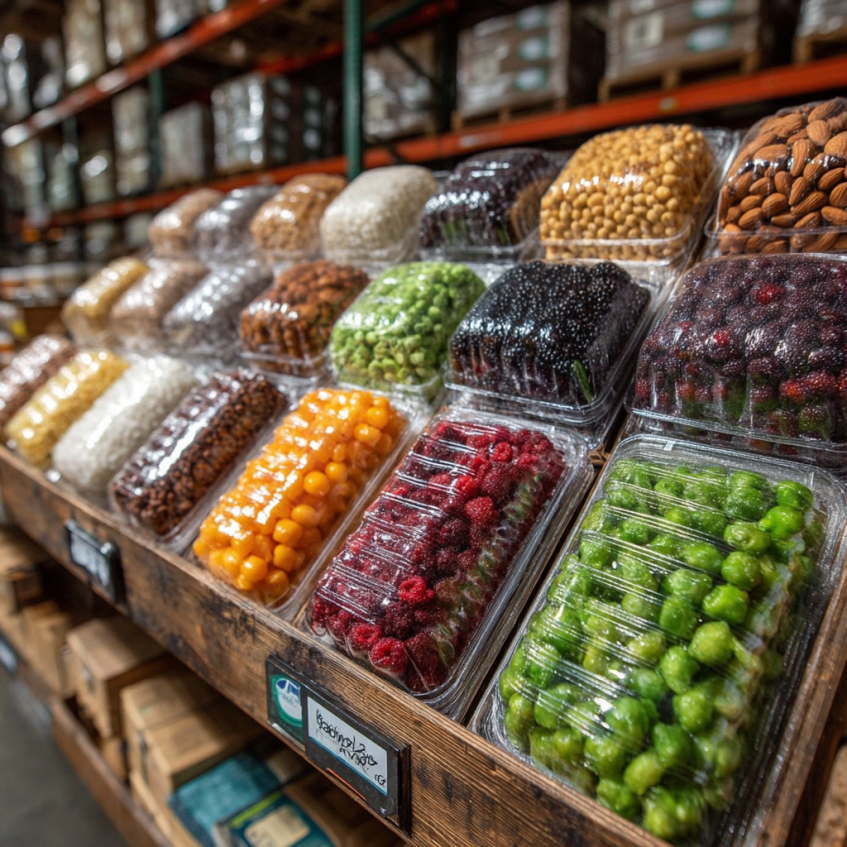
Barrier films provide high resistance to:
Oxygen
Moisture
Gas transmission
Odor penetration
These films are especially important in food packaging applications where freshness preservation and shelf-life extension are critical.
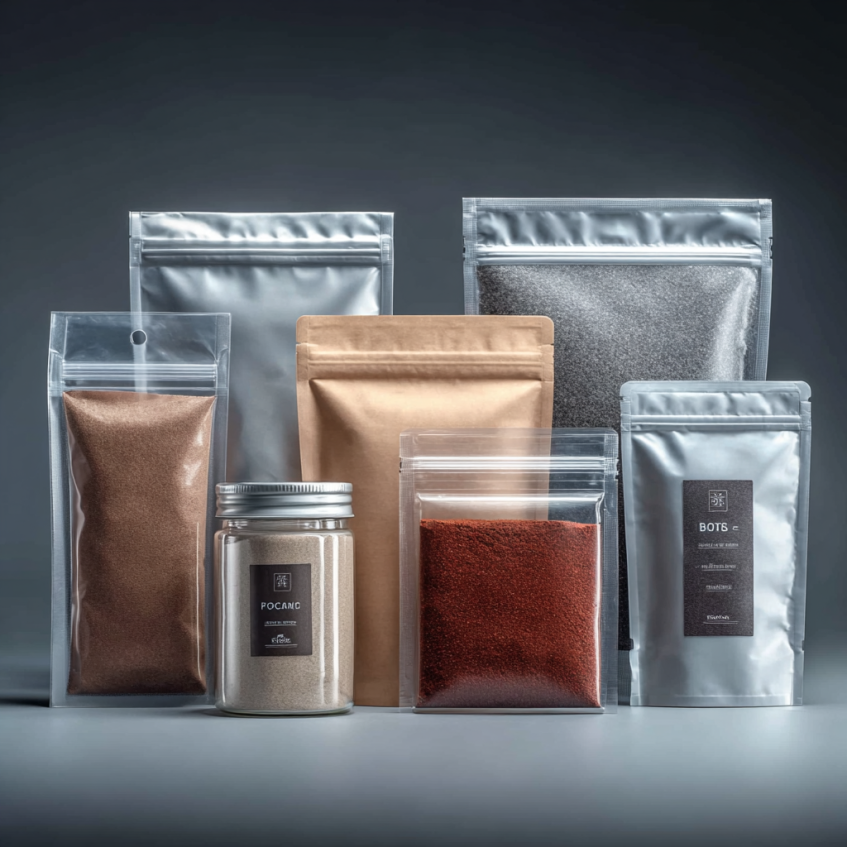
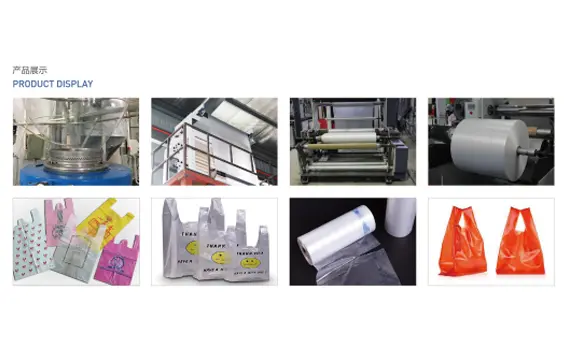
Extruded films can be converted into many types of bags and pouches, including:
Ziplock bags
Vacuum bags
Stand-up pouches
Shopping bags
Garbage bags
Courier bags
These products are widely used in retail, food, medical, and industrial sectors.
Film extrusion technology offers several key advantages for packaging manufacturers:
High production efficiency
Cost-effective material usage
Excellent sealing performance
Lightweight packaging solutions
Customizable film thickness and width
Multilayer barrier structures
Improved product protection
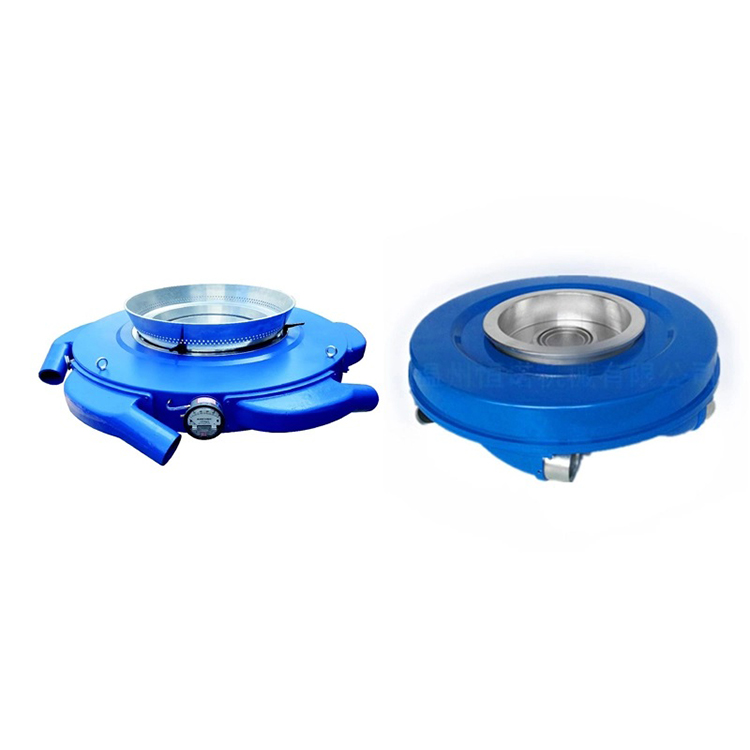
Advanced blown film die heads and air ring systems also help improve film thickness uniformity, transparency, and bubble stability during production.
Agricultural film extrusion plays a critical role in modern farming and greenhouse cultivation. These films help improve crop yield, reduce water consumption, and protect crops from environmental conditions.
Greenhouse films are used to cover greenhouse structures and create controlled growing environments.
Benefits include:
Improved light transmission
Temperature control
UV protection
Moisture retention
Better crop growth conditions
Modern greenhouse films can also include anti-drip, anti-fog, and thermal insulation properties.
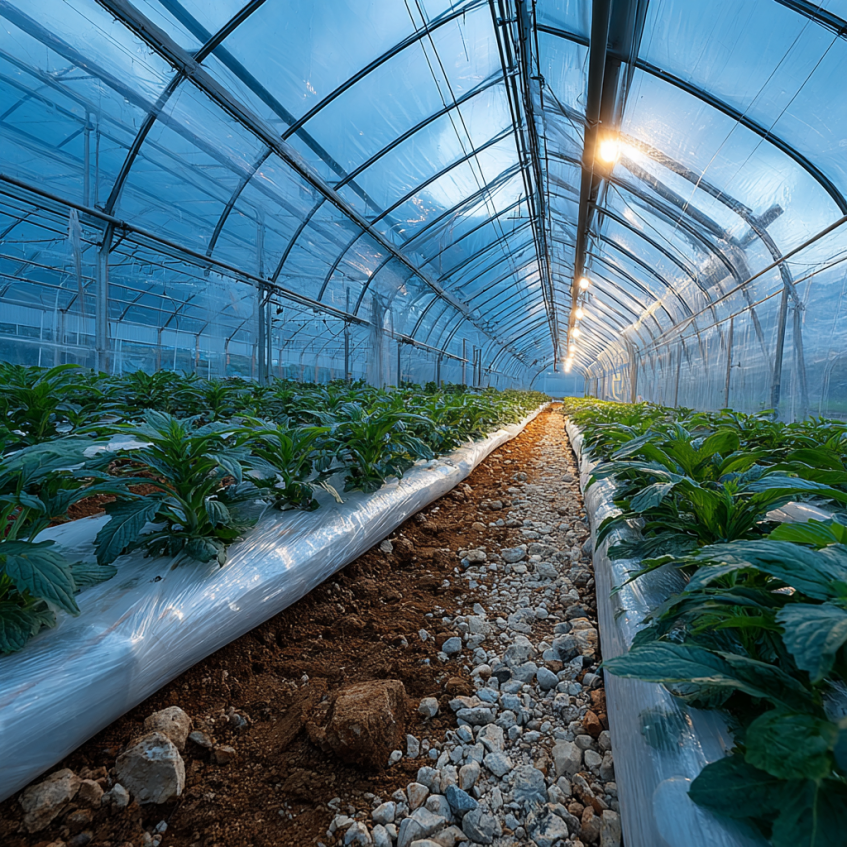
Mulch films are applied directly to the soil surface to improve agricultural efficiency.
Their functions include:
Moisture retention
Weed suppression
Soil temperature regulation
Reduced fertilizer loss
Improved crop quality
Biodegradable mulch films are becoming increasingly popular for environmentally friendly agriculture.
Silage films are used for wrapping silage bales and preserving animal feed.
These films help:
Prevent oxygen penetration
Reduce spoilage
Maintain nutritional value
Improve storage efficiency
High-strength multilayer silage films offer excellent puncture resistance and airtight sealing performance.
Film extrusion is also widely used in the construction industry.
Typical applications include:
Vapor barrier films
Waterproof membranes
Protective covering films
Insulation films
Surface protection films
Construction films help improve building durability, moisture protection, and energy efficiency.
Medical-grade extrusion films are used in:
Medical packaging
Disposable gloves
Surgical products
Hygiene products
Protective garments
These films require high cleanliness standards, stable thickness control, and reliable sealing performance.
Industrial extrusion films are used for:
Surface protection
Lamination
Electronics packaging
Anti-static applications
Heavy-duty industrial packaging
Many industrial films require customized multilayer structures to achieve specific mechanical or barrier properties.
Different applications require different resin materials. Common materials include:
HDPE (High-Density Polyethylene)
LDPE (Low-Density Polyethylene)
LLDPE (Linear Low-Density Polyethylene)
PP (Polypropylene)
EVA (Ethylene Vinyl Acetate)
Biodegradable materials
Material selection affects film strength, flexibility, transparency, sealing performance, and processing conditions.
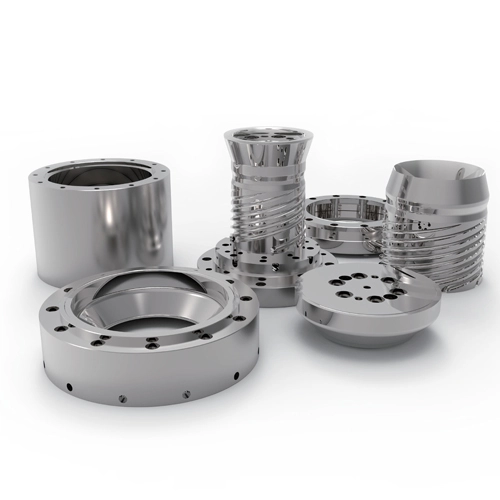
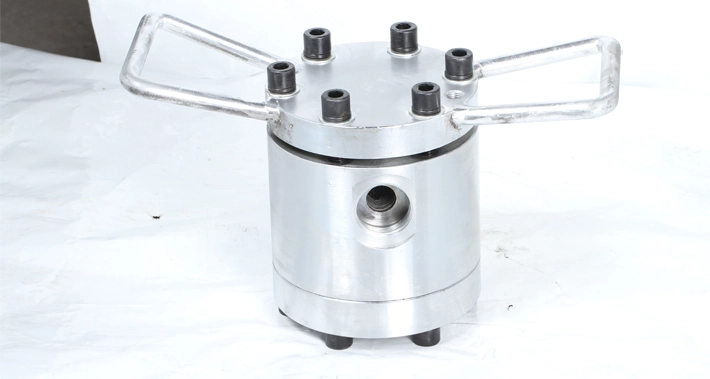
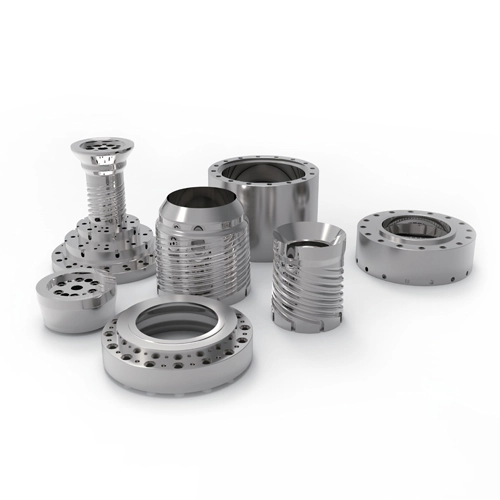
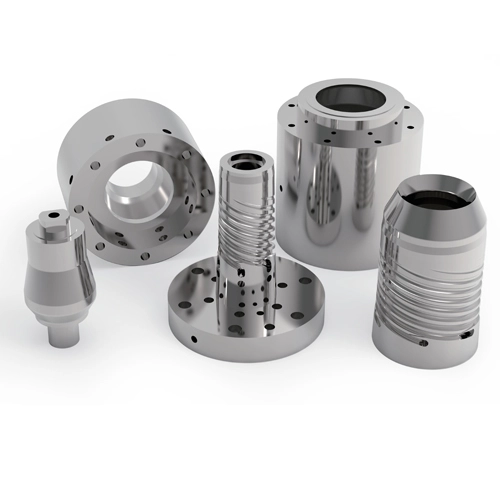
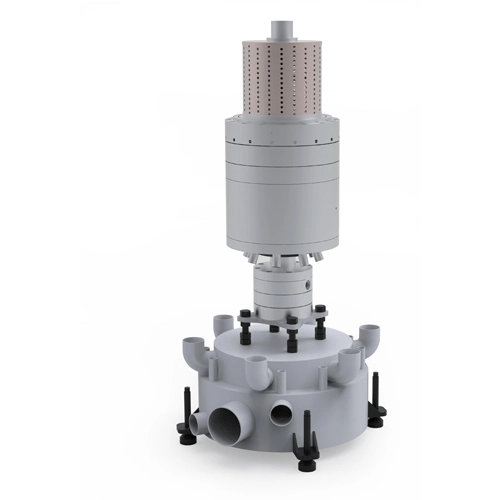
A complete blown film extrusion system typically includes:
Extruder machine
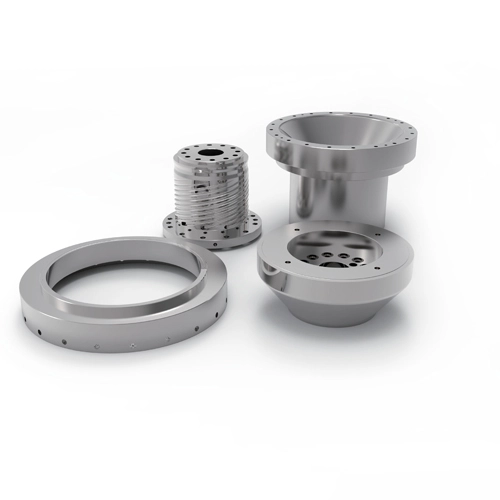
Blown film die head
Air ring system
IBC system
Cooling system
Winder system
Among these components, the die head and air ring play a critical role in determining film quality, thickness uniformity, and production efficiency.
Modern blown film extrusion systems offer several advantages:
High-speed production
Stable bubble control
Excellent film uniformity
Energy efficiency
Reduced material waste
Multilayer co-extrusion capability
Improved optical properties
Advanced extrusion technologies also support sustainable packaging development and recyclable material processing.
Film extrusion is a manufacturing process where molten plastic is extruded through a die to form thin plastic films used in packaging, agriculture, construction, and industrial applications.
Blown film extrusion forms a tubular bubble using air pressure, while cast film extrusion uses chill rollers to cool the molten film.
Blown films generally offer better strength and flexibility, while cast films provide better clarity and thickness precision.
Common materials include HDPE, LDPE, LLDPE, PP, EVA, and multilayer co-extrusion resins.
Uniform film thickness ensures:
Stable product quality
Better sealing performance
Reduced material waste
Improved mechanical strength
High-quality die heads and air ring systems help achieve better thickness control.
Film extrusion is widely used in:
Food packaging
Agriculture
Medical packaging
Logistics
Construction
Consumer goods
Industrial manufacturing
 English