English

Jul 13, 2026
In modern plastic processing, maintaining melt purity is critical for product quality and production efficiency. A plastic extruder screen changer plays a vital role by filtering contaminants from molten plastic without interrupting production. Whether you're operating in recycling, compounding, or high-end extrusion, choosing the right system directly impacts output consistency and machine uptime.
This guide provides a deep, practical understanding of plastic extruder screen changers, including how they work, their types, benefits, and how to select the best one for your production line.
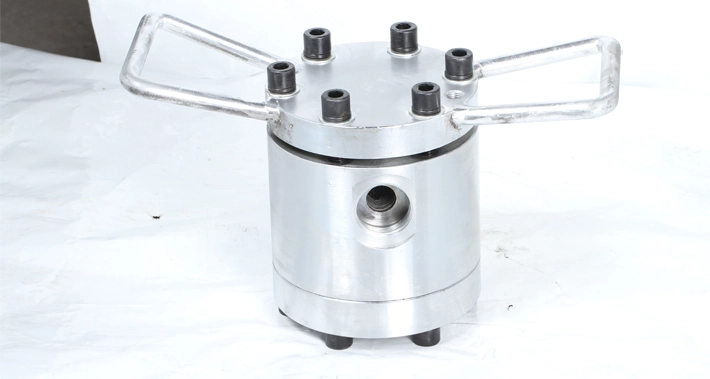
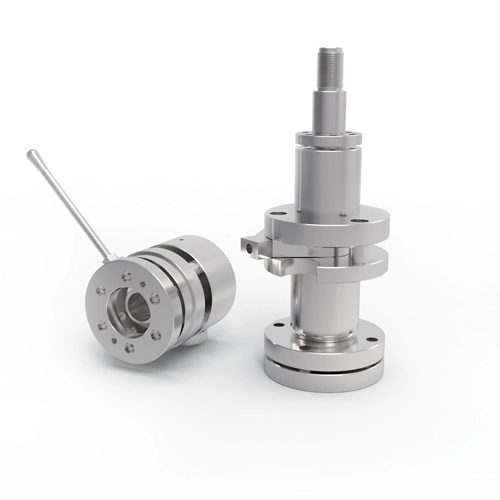
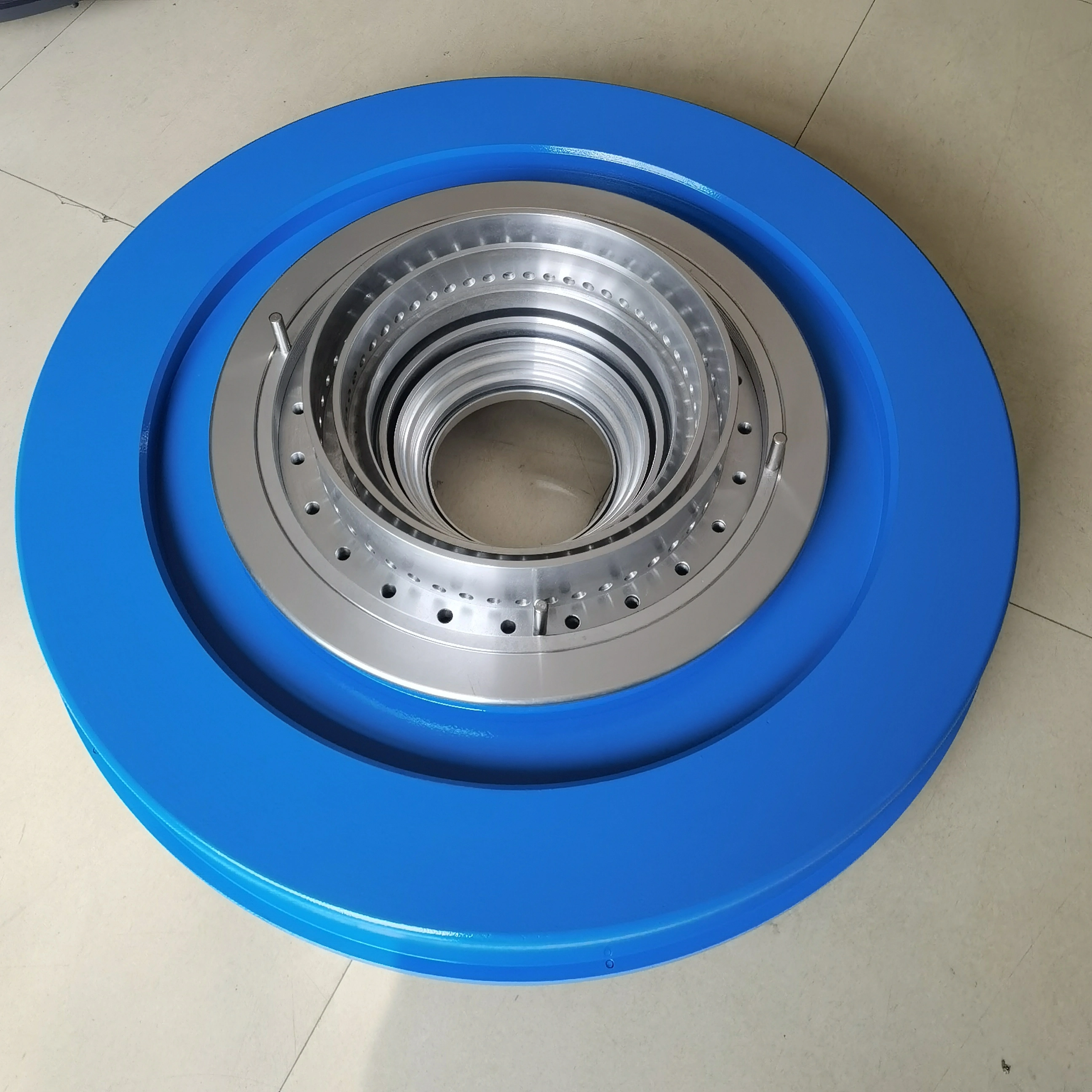
A plastic extruder screen changer is a device installed between the extruder and die head. Its main function is to filter impurities such as unmelted particles, metal debris, or contaminants from molten plastic using a mesh screen.
By ensuring clean melt flow, it helps:
Improve final product quality
Protect downstream equipment
Reduce defects such as black spots or gels
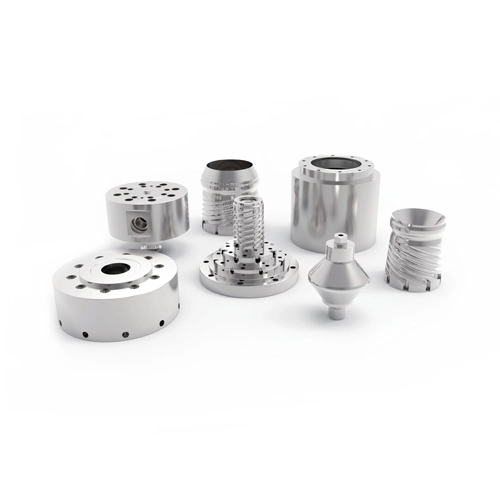
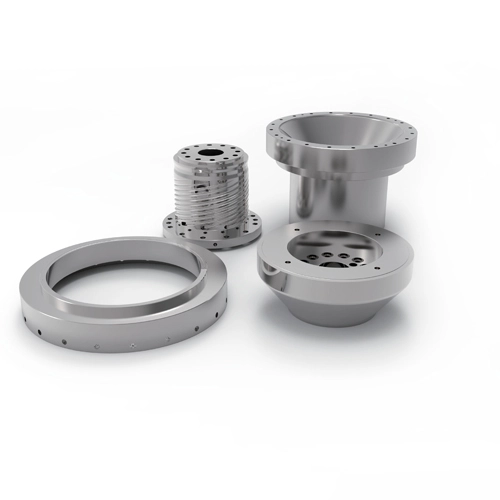
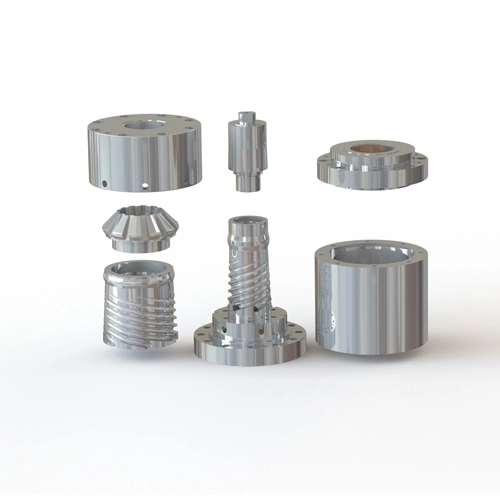
Modern systems, like those offered on Bojing’s product page, are engineered for high pressure resistance, seamless switching, and long service life, making them essential in industrial plastic extrusion.
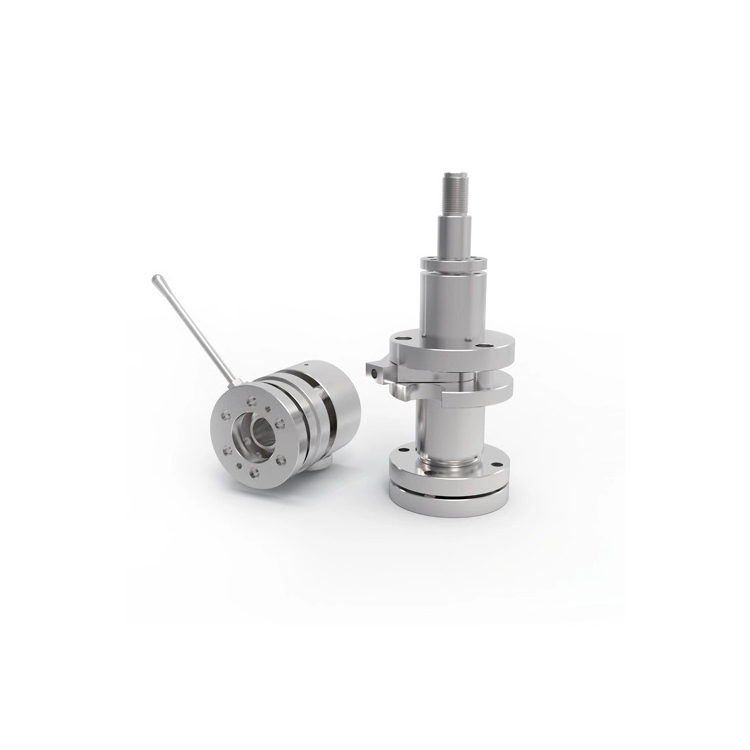
The working principle is straightforward but highly engineered:
Molten plastic flows from the extruder into the screen changer
The melt passes through a fine mesh filter screen
Contaminants are trapped on the screen surface
Clean melt continues to the die
When the screen becomes clogged, it must be replaced. Depending on the system type, this happens either:
Manually (machine stops)
Continuously (no interruption)
Hydraulically (automated switching)
Advanced systems ensure constant pressure and flow stability, which is critical for high-quality extrusion.
Choosing the right type depends on your production requirements, budget, and material characteristics.
Manual systems are the simplest and most cost-effective option.
Features:
Operator replaces the screen manually
Requires stopping the extrusion process
Low investment cost
Best for:
Small-scale production
Low contamination materials
Limitations:
Downtime reduces efficiency
Inconsistent product quality during restart
A continuous screen changer allows uninterrupted production.
Features:
Dual-channel or multi-screen design
Screen replacement without stopping the machine
Stable pressure during switching
Benefits:
Increased productivity
Consistent product quality
Reduced material waste
This type is widely used by advanced plastic extrusion companies like Bojing for high-output operations.
A hydraulic screen changer uses hydraulic power for fast, automated screen switching.
Features:
High-pressure capability
Quick screen replacement
Operator-friendly automation
Advantages:
Ideal for large-scale industrial production
Reduces labor intensity
Enhances operational safety
Hydraulic systems are commonly used in demanding applications such as plastic recycling and compounding lines.
Removes impurities that cause defects, ensuring smooth and uniform plastic products.
Continuous systems eliminate downtime, significantly boosting output.
Prevents contaminants from damaging dies and downstream machinery.
Reduces material waste and maintenance costs over time.
Ensures consistent extrusion conditions for precision manufacturing.
Suitable for various materials including PE, PP, PET, and recycled plastics.
Selecting the right system depends on several factors:
Material Type: Recycled plastics require stronger filtration
Production Volume: High output needs continuous or hydraulic systems
Contamination Level: Higher impurities require advanced filtration
Budget: Balance initial cost with long-term efficiency
Automation Needs: Consider labor and operational efficiency
For most modern plastic extrusion companies like Bojing, investing in continuous or hydraulic systems offers the best ROI.
They are compatible with thermoplastics such as PE, PP, PET, PVC, and ABS, including recycled materials.
It depends on contamination levels and production volume. High-contamination materials require more frequent changes.
Yes. Continuous and hydraulic systems significantly reduce downtime and increase throughput.
A plastic extruder screen changer is more than just a filtration device—it is a critical component for ensuring efficiency, product quality, and operational stability in modern extrusion processes.
From manual screen changers for small-scale use to continuous and hydraulic systems for industrial production, selecting the right solution can significantly enhance performance. For advanced and reliable solutions, plastic extrusion companies like Bojing provide high-quality, customizable screen changer systems designed to meet diverse industrial needs.
 English