English

Jun 01, 2026
LDPE extrusion plays a foundational role in modern plastic processing, especially in the production of flexible packaging materials. From shopping bags to agricultural films, low-density polyethylene (LDPE) remains one of the most widely used thermoplastics in the extrusion industry due to its flexibility, clarity, and cost efficiency.
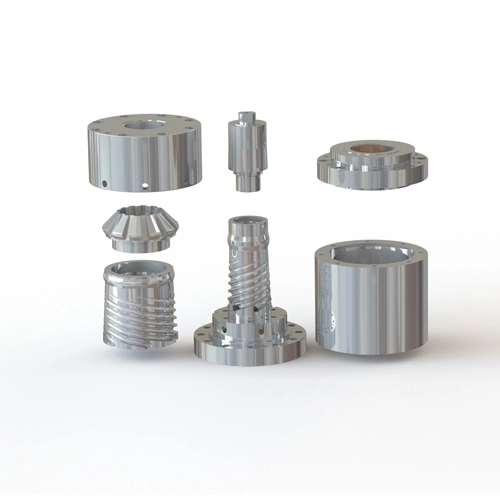
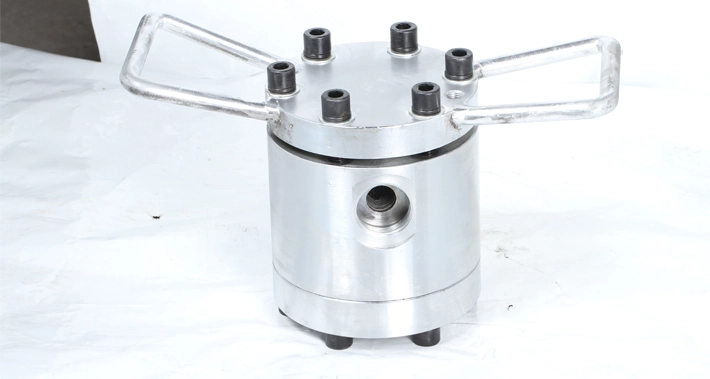
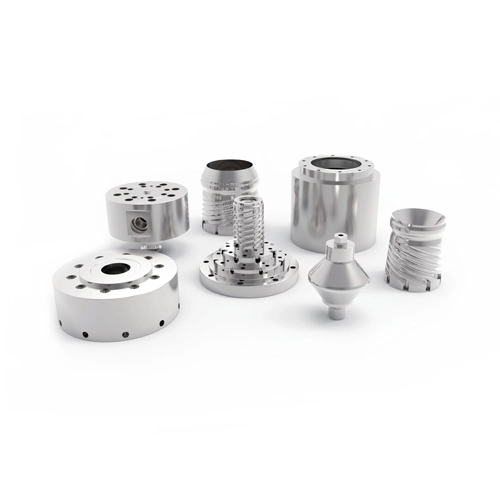
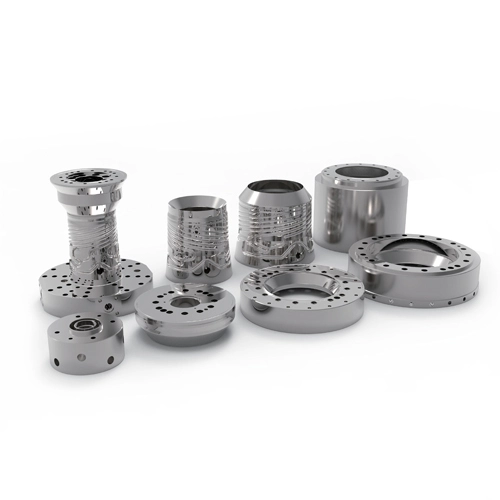
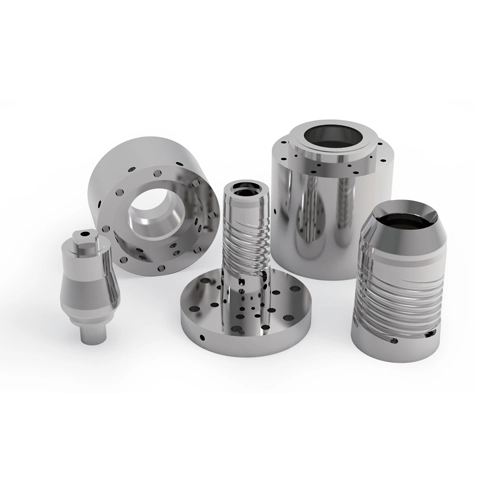
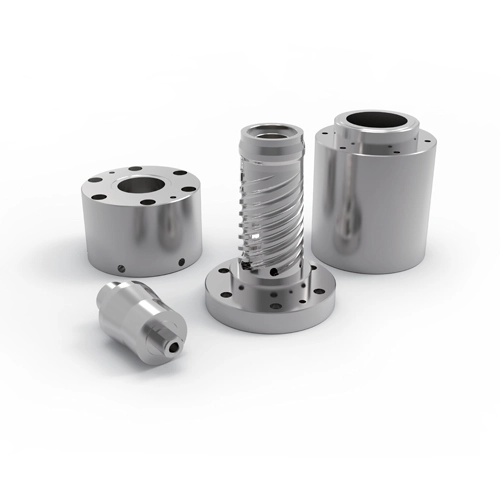
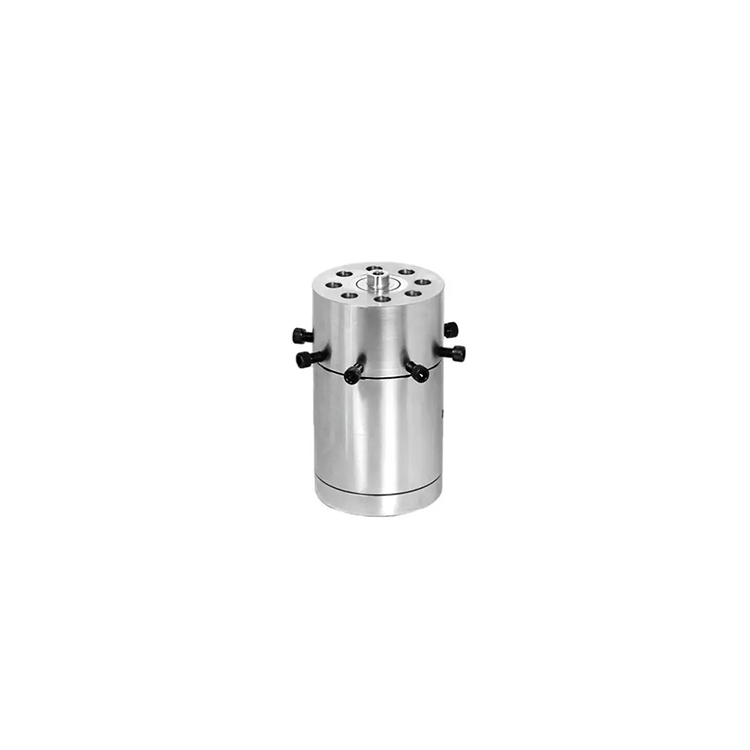
In today’s competitive manufacturing environment, companies rely heavily on advanced equipment provided by professional extrusion companies such as Bojing to achieve stable production and high-quality output. Among these systems, the LDPE extrusion die head is a critical component that directly influences film quality, thickness uniformity, and production efficiency.
This article provides a comprehensive overview of LDPE extrusion, including its process, properties, applications, and advantages, with a focus on real-world industrial relevance.
LDPE extrusion is a manufacturing process where low-density polyethylene resin is melted and formed into continuous shapes such as films, sheets, or tubes through a die system.
In the context of film production, LDPE is commonly processed using polyethylene film extrusion where molten polymer is inflated into a bubble, cooled, and flattened into thin film rolls.
The process is widely used due to LDPE’s:
Excellent flexibility
High transparency
Good sealing properties
Strong resistance to moisture
These properties make LDPE ideal for packaging applications across food, agriculture, and industrial sectors.
The LDPE extrusion process typically involves the following stages:
LDPE pellets are fed into the extruder hopper.
Inside the heated barrel, the screw rotates and melts the polymer into a uniform molten state.
The melt passes through a screen pack to remove impurities and stabilize flow pressure.
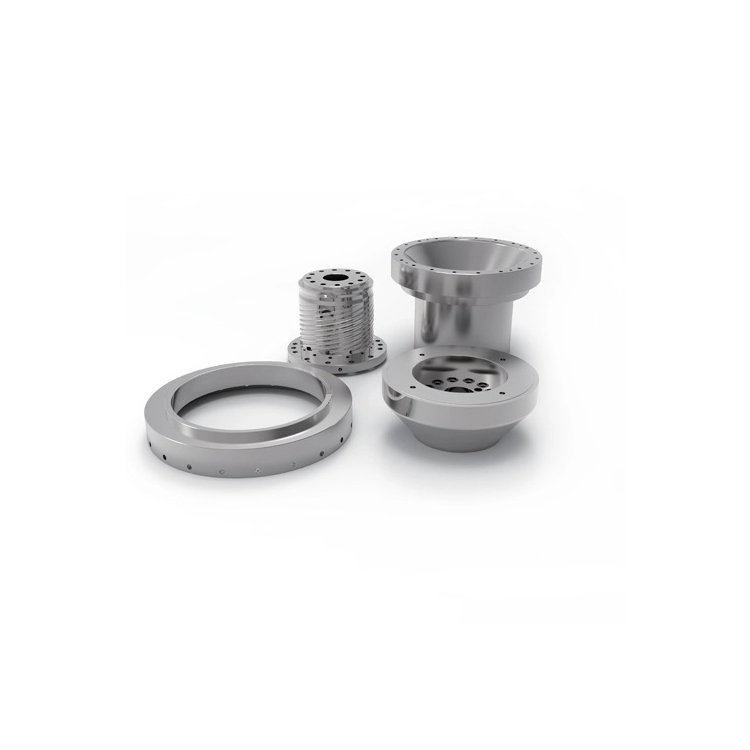
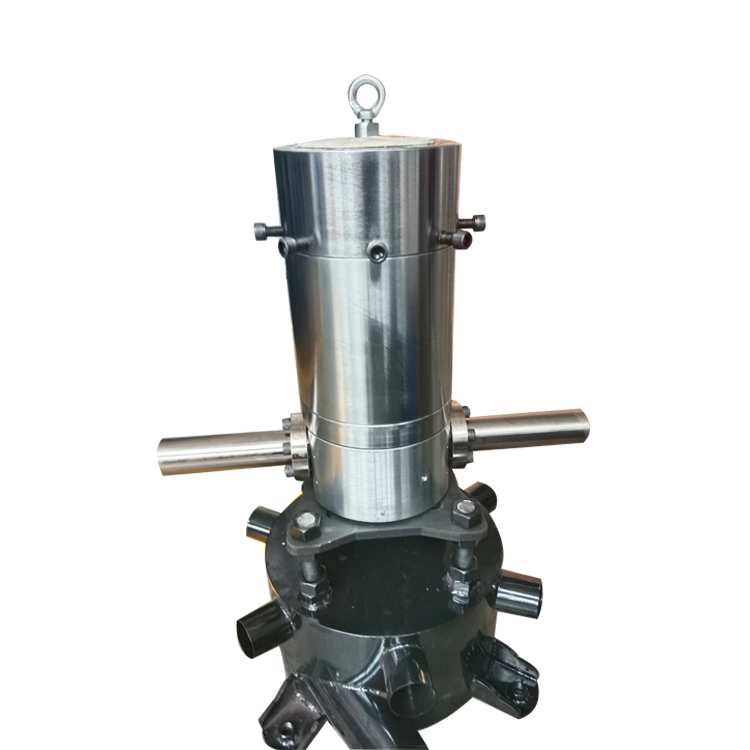
Molten LDPE is pushed through an extrusion die head (such as LDPE extrusion die heads provided by Bojing), shaping it into a tube or film.
Air is injected to expand the molten tube into a bubble, forming thin film.
Air rings cool the film to solidify its structure.
The finished film is flattened, treated, and wound into rolls.
LDPE is widely selected in extrusion due to its balanced mechanical and optical properties.
| Property | Description | Benefit in Extrusion |
|---|---|---|
| Flexibility | High chain branching structure | Ideal for stretchable films |
| Transparency | Excellent light transmission | Suitable for packaging visibility |
| Moisture Resistance | Low water permeability | Protects packaged goods |
| Chemical Stability | Resistant to mild acids and alkalis | Increases durability |
| Low Melting Point | Easy processing | Energy-efficient extrusion |
These properties make LDPE one of the most versatile materials in polyethylene film extrusion systems.
Based on industrial use cases and LDPE extrusion die head applications described by Bojing, LDPE extrusion is mainly used in film production systems.
Packaging films
Used for general-purpose wrapping and protective packaging.
Industrial protective films
Used to cover machinery, construction materials, or surfaces.
Agricultural films
Applied in greenhouse covers and crop protection films.
Shopping and carrier bags
Flexible LDPE films formed into bags.
Lamination base films
Used as substrate layers in composite materials.
These applications highlight why polyethylene blown film extrusion systems remain essential in global manufacturing.
LDPE extrusion offers multiple advantages in industrial production:
LDPE is widely available and easy to process, reducing production costs.
Extrusion systems provide continuous, stable output suitable for mass production.
Produces smooth, flexible, and transparent films.
Can be used across packaging, agriculture, and industrial sectors.
Works efficiently with high-precision systems provided by leading extrusion companies such as Bojing.
LDPE extrusion is primarily used to produce flexible plastic films and packaging materials. These include shopping bags, agricultural films, protective wraps, and industrial packaging films. Its adaptability makes it one of the most widely used processes in the plastics industry.
The key difference lies in material structure and performance. LDPE extrusion produces softer, more flexible films suitable for packaging, while HDPE extrusion produces stronger, more rigid products such as containers and pipes.
Yes, LDPE is recyclable under resin code #4. It can be reprocessed into new plastic products, although the quality depends on contamination control and recycling technology.
LDPE extrusion remains a cornerstone of modern plastic manufacturing, particularly in polyethylene blown film extrusion systems. Its versatility, cost efficiency, and adaptability make it indispensable across multiple industries.
With advanced equipment such as the LDPE extrusion die head developed by Bojing, manufacturers can achieve higher precision, improved film quality, and greater production stability.
As global demand for flexible packaging continues to grow, LDPE extrusion technology will remain a critical driver of innovation in the plastics industry.
 English