English

Nov 11, 2025
In the plastic recycling industry, efficiency and product quality depend heavily on effective filtration. Manual screen changers play a pivotal role in maintaining uninterrupted extrusion while removing contaminants from recycled plastic. For 2025, there are several advanced options available that cater specifically to the unique challenges of plastic recycling. This article explores the top five extrusion manual screen changer types, their features, advantages, and applications, helping recycling facilities make informed decisions.
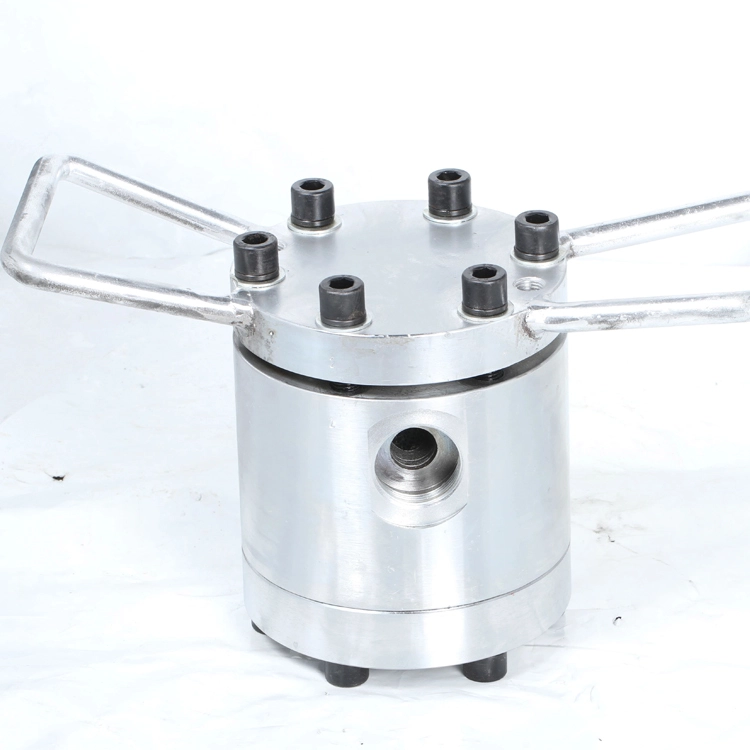
A manual screen changer is a device that allows operators to replace screens in an extruder without stopping production for extended periods. Unlike automatic systems, manual screen changers require operator intervention but are often simpler, more cost-effective, and suitable for small to medium recycling operations. Proper use of manual screen changers ensures consistent melt quality, reduces downtime, and extends the life of extruder components such as breaker plates and screws.
Efficient removal of contaminants
Reduced risk of extrusion screw damage
Lower initial investment compared to automatic systems
Flexible adaptation to different polymer types
This type uses a single ram to push the screen into place. It is simple, reliable, and ideal for facilities with moderate throughput. The operator manually swaps the screen when clogging occurs.
Advantages:
Low maintenance requirements
Easy operation for beginners
Suitable for small-scale recycling setups
Application: PET, HDPE, and PP recycling lines with consistent throughput.
Dual-ram screen changers offer faster screen replacement by using two rams in a push-pull configuration. This allows one screen to be removed while the other is positioned for extrusion, minimizing downtime.
Advantages:
Faster screen change than single-ram models
Improved melt filtration consistency
Reduced extrusion pressure spikes
Application: Medium-capacity recycling plants handling mixed polymers.
Rotary models feature a rotating screen holder, allowing the operator to switch screens by turning the drum manually. They are particularly useful for operations requiring frequent changes in mesh size or polymer type.
Advantages:
Smooth transition between screens
Easy cleaning and maintenance
Flexible for different polymer grades
Application: Facilities processing multiple recycled plastics with varying contamination levels.
Swing-frame changers allow the screen frame to pivot or swing out for easy access. This design simplifies screen removal and replacement, especially in high-temperature extrusion environments.
Advantages:
Reduced operator fatigue
Quick access for inspection and cleaning
Reliable under high pressure and temperature
Application: Industrial recycling lines requiring frequent maintenance and inspections.
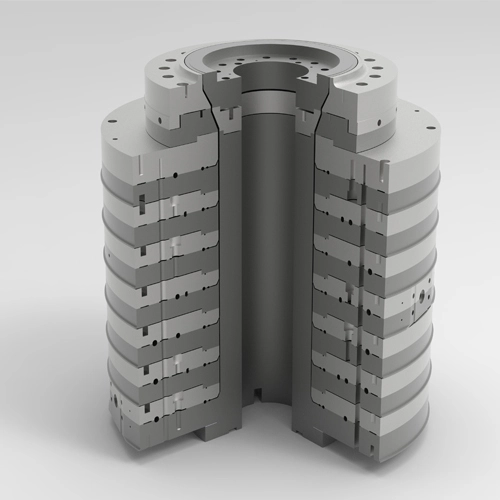
Stacked changers consist of multiple screens arranged vertically. Operators can manually select the screen to use, making them highly efficient for large-scale recycling plants. This type maximizes filtration area without requiring complex automation.
Advantages:
High throughput capability
Enhanced melt filtration
Versatile for different polymer contaminants
Application: Large recycling facilities with high-volume PP, PE, or PS processing.
| Screen Changer Type | Throughput | Ease of Operation | Maintenance | Best for Polymer Type |
|---|---|---|---|---|
| Single-Ram | Low–Medium | Easy | Low | PET, HDPE, PP |
| Dual-Ram | Medium | Moderate | Moderate | Mixed polymers |
| Rotary | Medium | Moderate | Moderate | Multiple polymer grades |
| Swing-Frame | Medium–High | Easy | Low–Moderate | High-temp extrusion lines |
| Stacked | High | Moderate | Moderate | Large-scale PP/PE/PS recycling |
Even the best manual screen changers require proper installation and maintenance to ensure longevity and consistent performance. Key tips include:
Follow Manufacturer Instructions: Proper alignment and torque settings are critical.
Regular Inspection: Check for wear on screen holders, gaskets, and rams.
Clean Screens Thoroughly: Remove residual plastic or contaminants before reuse.
Monitor Extruder Pressure: Rising pressure may indicate partial clogging; replace screens promptly.
Lubricate Moving Parts: Ensure smooth operation and prevent premature wear.
Selecting the right extrusion manual screen changer is essential for plastic recycling operations aiming for high efficiency and consistent product quality in 2025. From single-ram simplicity to stacked high-capacity models, each type offers unique advantages suited to different scales and polymer types. By combining proper equipment selection with regular maintenance, recycling facilities can minimize downtime, reduce waste, and extend the life of extruder components.
 English