English

Nov 11, 2025
In the world of plastic extrusion, ensuring a smooth, uninterrupted production process is essential for achieving high-quality results. One often overlooked yet critical component in this process is the extruder filter. Properly installed extruder filter not only prevent contaminants from affecting the final product but also prolong the life of your extrusion equipment. This tutorial provides a step-by-step guide for beginners on installing extruder filters, offering practical tips to enhance both efficiency and product quality.
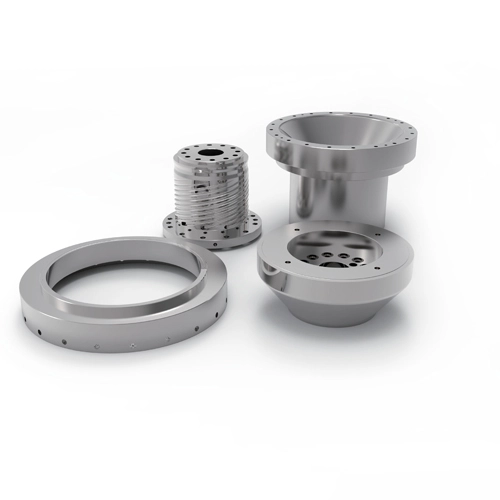
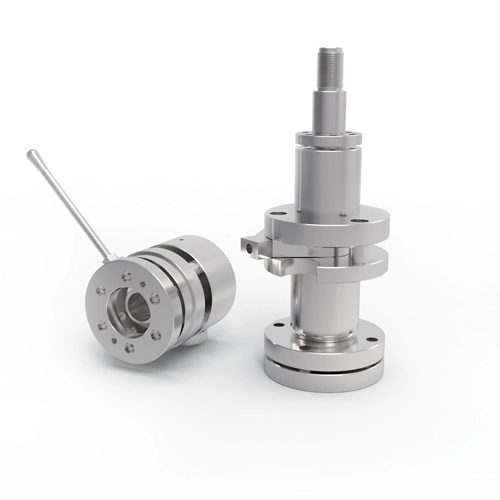
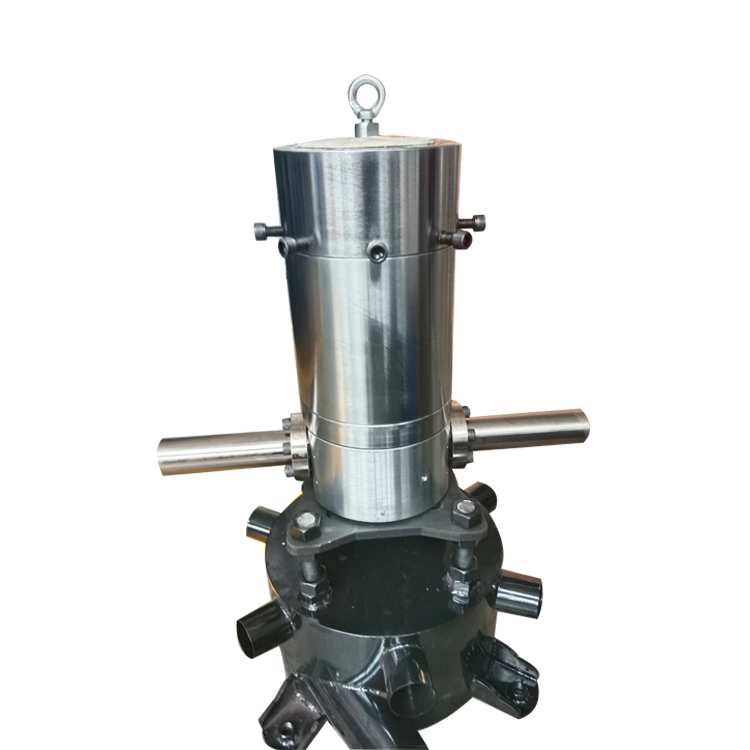
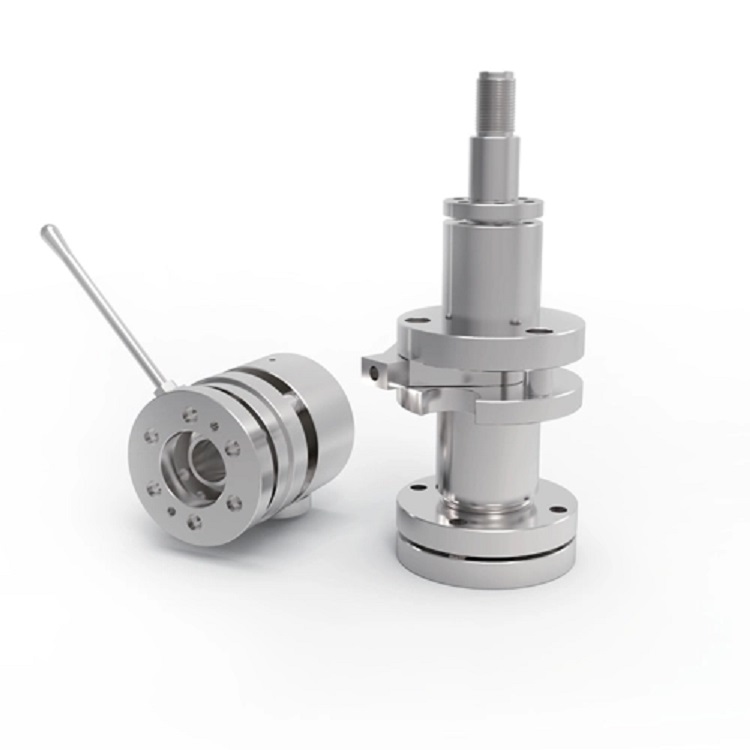
Before diving into installation, it’s crucial to understand the function of extruder filters. These filters act as barriers, removing unwanted particles such as dust, impurities, or degraded polymer fragments from the molten material. Depending on your extrusion setup, filters can vary in mesh size, material, and configuration. Common types include:
| Filter Type | Material | Application |
|---|---|---|
| Mesh Screen Filter | Stainless Steel | General plastic extrusion |
| Sintered Filter | Bronze/Steel | High-temperature or abrasive polymers |
| Rotary Filter | Steel | Continuous extrusion processes |
Selecting the right filter for your extruder is the first step in ensuring optimal performance. Consult your extruder manufacturer’s specifications, as improper filter choice can lead to frequent clogs, pressure build-up, or even damage to the extruder screw.
Always begin with safety precautions. Turn off the extruder, disconnect power, and allow the barrel to cool. Hot barrels and molten plastic can cause severe injuries. Wear heat-resistant gloves and protective eyewear to prevent burns or exposure to chemicals.
Clean the extruder barrel and screw thoroughly. Residual plastic or debris from previous runs can interfere with the filter installation. A clean surface ensures the filter sits correctly and maintains proper filtration throughout the extrusion process.
Filters come in various diameters and mesh sizes. Measure the filter seat on your extruder carefully and choose a filter that fits snugly without forcing. A proper fit prevents leakage and ensures that all molten material passes through the filter for maximum contaminant removal.
Position the Filter: Align the filter with the barrel’s filter housing. Ensure that the mesh side faces the incoming material.
Secure the Filter: Depending on the extruder design, tighten the filter housing bolts evenly to avoid warping the mesh. Uneven tightening can lead to gaps, reducing filtration efficiency.
Check for Obstructions: Verify that no foreign objects or loose fragments remain inside the filter housing. Even small debris can compromise performance and damage the extruder screw.
Once the filter is installed, carefully reassemble any disassembled components. Ensure all seals, gaskets, and bolts are correctly placed and tightened. Improper assembly can cause leaks, pressure issues, or uneven flow.
Before running a full production batch, perform a test extrusion. Monitor the pressure readings and check the initial output for signs of contamination. If the material flows smoothly and the extruder operates within normal pressure ranges, the installation is successful.
Regular maintenance of extruder filters is crucial. Schedule inspections to clean or replace filters based on production hours or material type. Documenting maintenance schedules can prevent unexpected downtime and prolong the life of your extruder.
| Maintenance Task | Frequency |
|---|---|
| Inspect filter mesh | Every 200–300 hours |
| Clean or replace filter | Every 500–1000 hours |
| Check housing bolts | Each production batch |
Even with proper installation, extruder filters can encounter issues. Beginners often face challenges such as:
Clogging: Occurs when the filter mesh is too fine or material contains excessive contaminants. Solution: Use a slightly coarser mesh or pre-clean raw materials.
Leakage: Usually caused by improper housing assembly or worn gaskets. Solution: Inspect seals and tighten bolts evenly.
Pressure Fluctuations: Can result from blocked filters. Solution: Monitor pressure regularly and replace filters before they become fully clogged.
Mastering the installation of extruder filters is a vital skill for anyone working in plastic extrusion. By following this step-by-step tutorial, beginners can ensure smoother production, better product quality, and longer equipment life. Remember, the key to successful installing extruder filter lies in proper filter selection, careful installation, and regular maintenance. For professional-grade filters and accessories, Bojing provides a comprehensive range of solutions suitable for various extrusion applications.
 English